Notes to Leaders
Do You Feel Used Up?
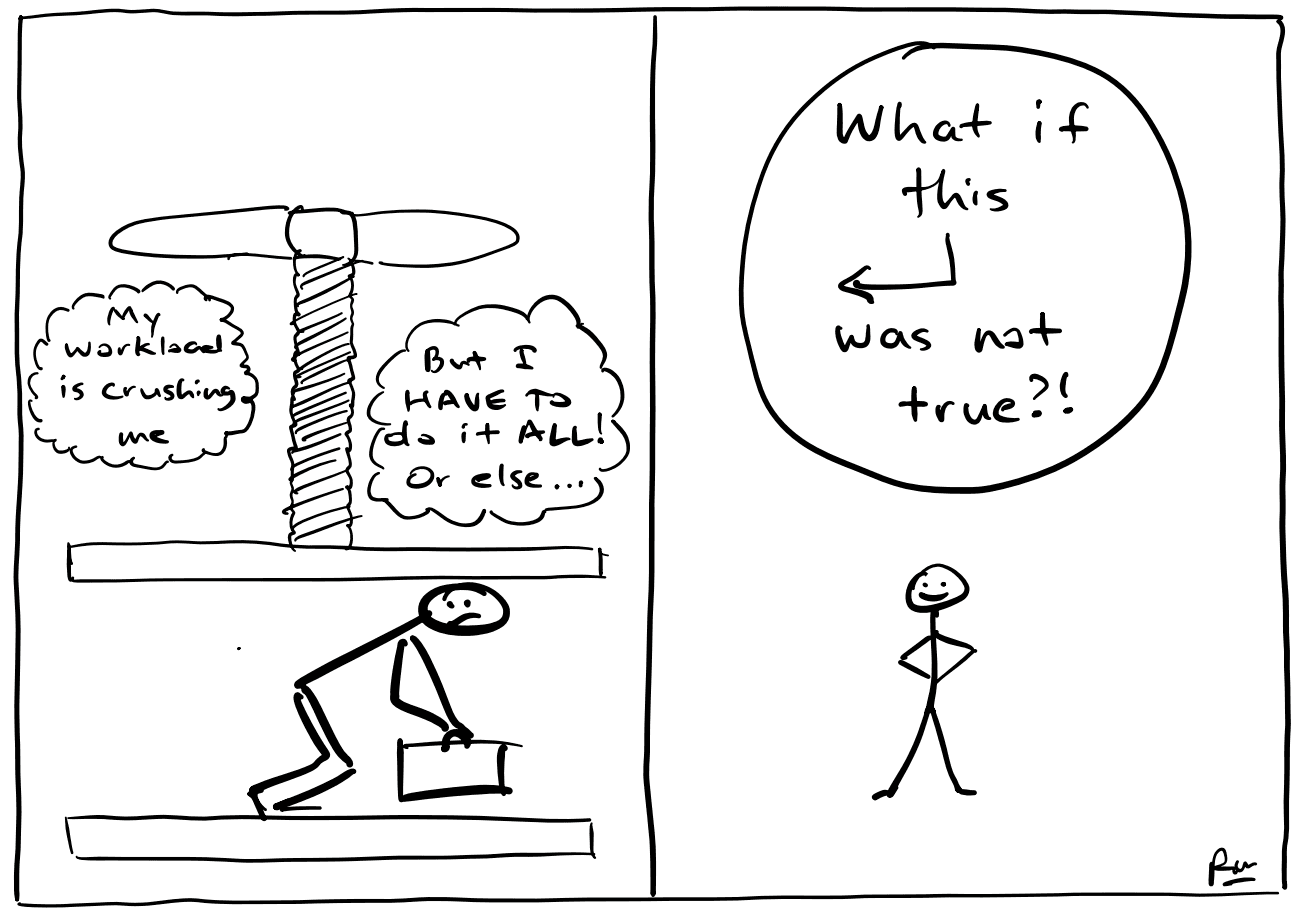
Do you ever fantasize about getting a much simpler job near the beach and slowing life down? Maybe as a barista or a retail salesperson? A job where you clock in and out and leave the stress and responsibilities of leadership behind?
In recent months, I have had multiple high-performing leaders share such daydreams with me. These leaders are excellent in their roles. They lead and inspire incredible teams. Yet, they often feel like they want to escape. Such daydreaming and escapism are classic signs of burnout.
In a 2021 survey, Development Dimensions International, an HR consulting firm, found that nearly 60% of leaders feel “used up” at the end of the workday. In my 1-on-1 time with leaders, I notice many are feeling “used up” in more than one dimension of their being. They are physically, intellectually, emotionally, and spiritually drained. Remarkable leaders pour themselves into others to coach their team to their best, but this can be an exhausting responsibility when leaders are on autopilot.
So, what do you do when you feel “used-up”?
Some might tell you to “take some time off” or “delegate more”. While these suggestions can be helpful, they are tactical responses that fail to address the core problem. Let’s go deeper.
In coaching engagements, we are always looking for the root cause or motivation behind a leader’s behavior. In the case of burnout, I try to help leaders identify their non-resourceful beliefs. Often buried deep within their spiritual dimension, these beliefs are hidden from others and often from the leader themselves.
Here are a few examples of non-resourceful beliefs:
“If I am not involved, this will fail.”
This belief causes a leader to work more than necessary. They say yes to too many meetings and take on assignments outside of their area of responsibility. They are known by their direct reports as micromanagers. This leads to overwork and exhaustion, indicators of burnout.
“If I am not perfect, I am not valuable.”
With even the smallest critique, a leader with this core belief spirals quickly. They wonder if they are the right person for the job and feel ineffective in their role. These feelings of ineffectiveness are highly associated with burnout.
“If I am not needed, I am not valuable.”
This belief also leads to micromanagement and overwork. Out of a need to feel worthy, leaders with this core belief create systems that are highly dependent on them. They struggle with delegating work to others.
“How others respond to my work determines my worth.”
Leaders with this core belief have an excessive need for external validation. When leading a team, they are responsible for giving validation to others yet seldom receive it themselves. With lower self-confidence, this leader will begin to feel underappreciated in their role, leading to burnout.
Core beliefs begin to take shape early in our childhood years. They originate in stories from our past and are often shaped by our family systems, and other key relationships. Some of the beliefs we learn are resourceful, while others are non-resourceful.
For leaders who lack self-awareness, non-resourceful beliefs are a mystery and require time and intentionality to uncover. This is why the first 4 months of our coaching engagements in The McKinnon Way are focused on helping leaders gain new self-awareness. Only after discovering these deeper influences on our behavior do we begin discussing tactical shifts. You can’t beat a problem like burnout without digging deeper.
If you’re looking for a quick fix to burnout, you won’t find one. Instead, probe your core beliefs and seek to identify them as resourceful or non-resourceful. Challenge your non-resourceful beliefs with a simple question: “What if the opposite were true?” The answer can help you begin to have a different view of yourself – one that doesn’t have to include fantasies of escaping to a different life.